

Precision, coordination, and clarity for complex real estate transitions.
Selling a property held in an estate or trust requires far more than listing a home. It demands careful documentation, legal alignment, and proactive coordination to ensure the transaction is handled correctly from the beginning.
I work closely with attorneys, title companies, executors, trustees, and family members to confirm that all required documents are verified before we ever bring a property to market. By addressing these details upfront, we prevent delays, protect the estate, and create a smooth, compliant path to closing.
PROFESSIONAL GUIDANCE
Before a property is listed, we confirm that ownership authority, probate status, and title requirements are clearly established. This proactive approach minimizes complications and ensures that buyers, lenders, and title companies can proceed with confidence.
Estate and trust sales often involve multiple decision-makers, sensitive timelines, and court oversight. My role is to simplify communication, coordinate documentation, and maintain steady progress so families can focus on what matters most.
Structured Strategy
Comprehensive oversight designed to protect the integrity of the transaction.
Alignment with attorneys and title professionals to verify authority and compliance.
Ensuring essential estate and trust documentation is complete before listing.
Clear guidance for fiduciaries navigating unfamiliar real estate responsibilities.
Structured updates to maintain transparency among involved parties.
Accurate pricing strategy and thoughtful market positioning.
Proactive oversight to reduce delays and move confidently toward closing.
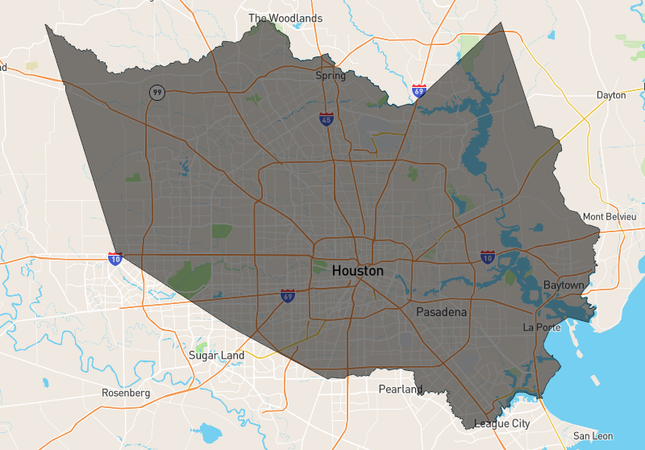
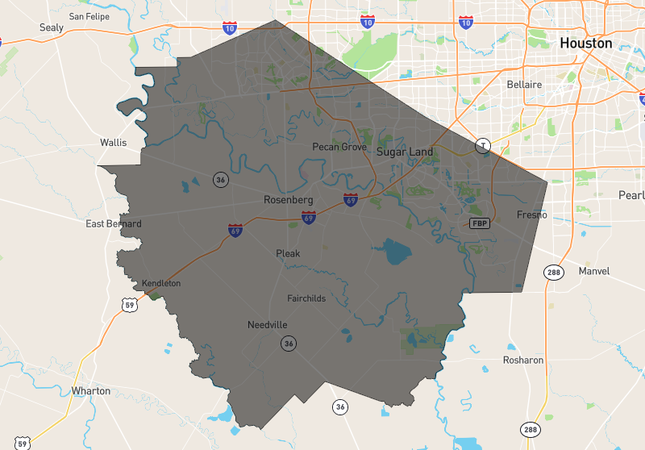
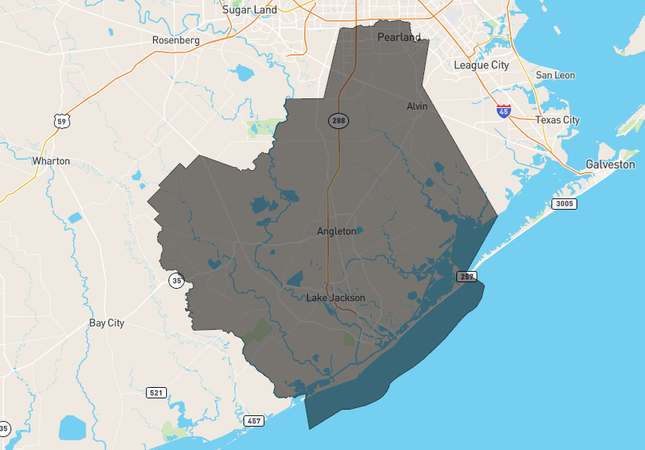
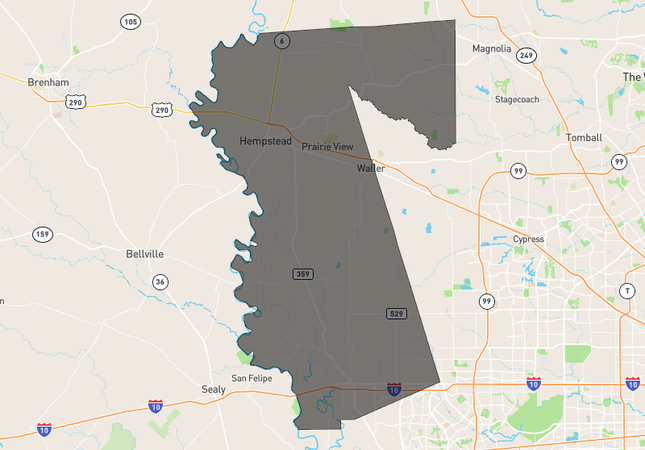
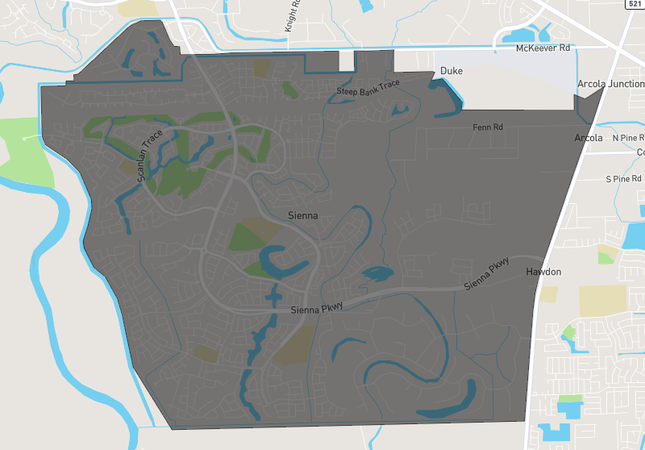
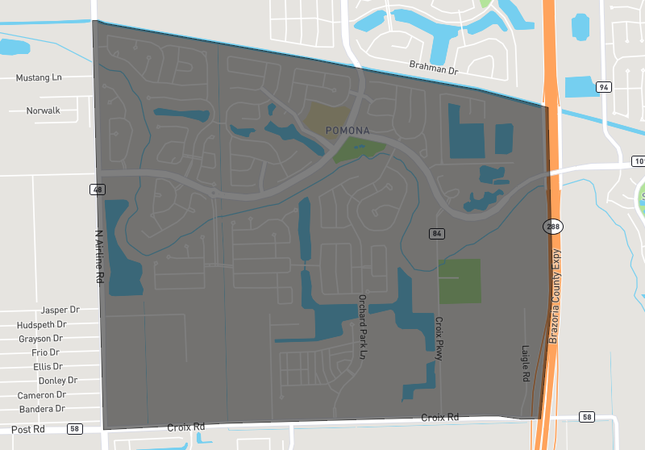
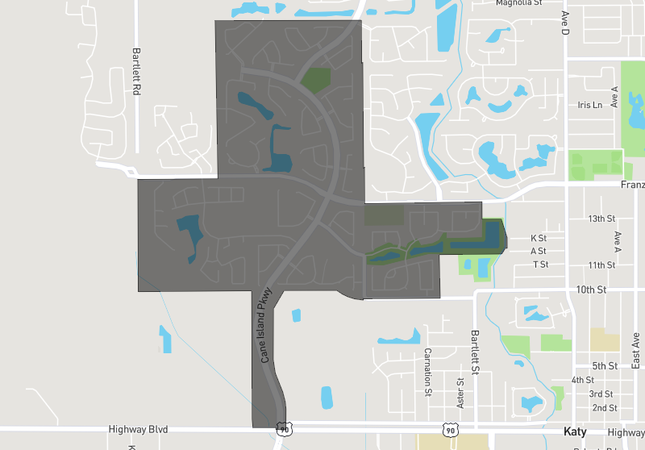
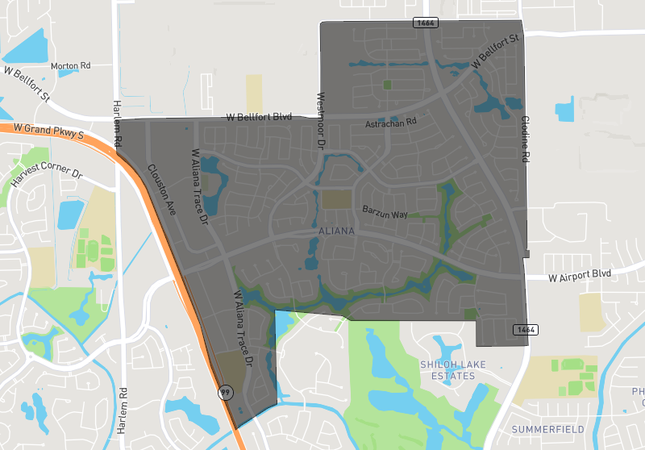
From the energy of Katy to the charm of nearby suburbs, explore Texas neighborhoods that match your lifestyle. Find the right community, the right home, and the right fit for your next chapter.
FAQs About
Clear guidance to help executors, trustees, and families navigate the process with confidence.
Estate and trust property sales often involve additional legal steps, documentation requirements, and coordination among multiple parties. Here are answers to some of the most common questions families and fiduciaries ask during this process.
In many cases, yes — authority to sell must be legally established before a property can be transferred. If the property is held solely in the deceased’s name, probate may be required to grant the executor legal authority to act.
However, every situation is different. Some properties held in trust may bypass probate entirely. The first step is reviewing title and confirming ownership structure. I coordinate with your attorney and title company to ensure proper authority is in place before we go to market.
When multiple heirs are involved, alignment is critical. If the will or court order authorizes a sale, the executor typically has legal authority to proceed. However, clear communication and transparency are essential to prevent disputes or delays.
I provide structured updates, clear valuation reports, and documented pricing strategies so all parties understand how decisions are being made. When necessary, I work alongside attorneys to ensure the process remains compliant and professionally managed.
If the property is held in a properly structured trust, court approval is often not required. Trustees typically have authority to sell assets according to the terms outlined in the trust document.
That said, confirming the trustee’s authority and reviewing the trust language is essential before listing. I coordinate closely with attorneys and title professionals to verify documentation and prevent issues during escrow.
The timeline depends on several factors, including probate status, documentation readiness, property condition, and market conditions.
If documentation is prepared upfront and title is clear, the transaction timeline can be similar to a traditional sale. Delays most often occur when required legal documents are incomplete or authority has not been properly established — which is why early coordination is so important.
The individual with legal authority — typically the executor (for probate estates) or trustee (for trust-held property) — signs the listing agreement and closing documents.
If there are multiple co-executors or co-trustees, the trust or court order may specify whether all signatures are required. Confirming this early helps avoid last-minute complications at closing.
Documents We Help You
Addressing these requirements early protects the estate and prevents costly delays.
Confirming these items before marketing begins protects all parties involved and ensures the transaction proceeds with clarity, authority, and legal alignment.
Estate and trust sales involve legal responsibility and financial stewardship. With the right guidance, the process can be structured, efficient, and professionally managed from start to finish.
My role is to coordinate the details, protect the estate’s interests, and ensure a seamless path to closing.
From the energy of Katy to the charm of nearby suburbs, explore Texas neighborhoods that match your lifestyle. Find the right community, the right home, and the right fit for your next chapter.
Share My QR |
|