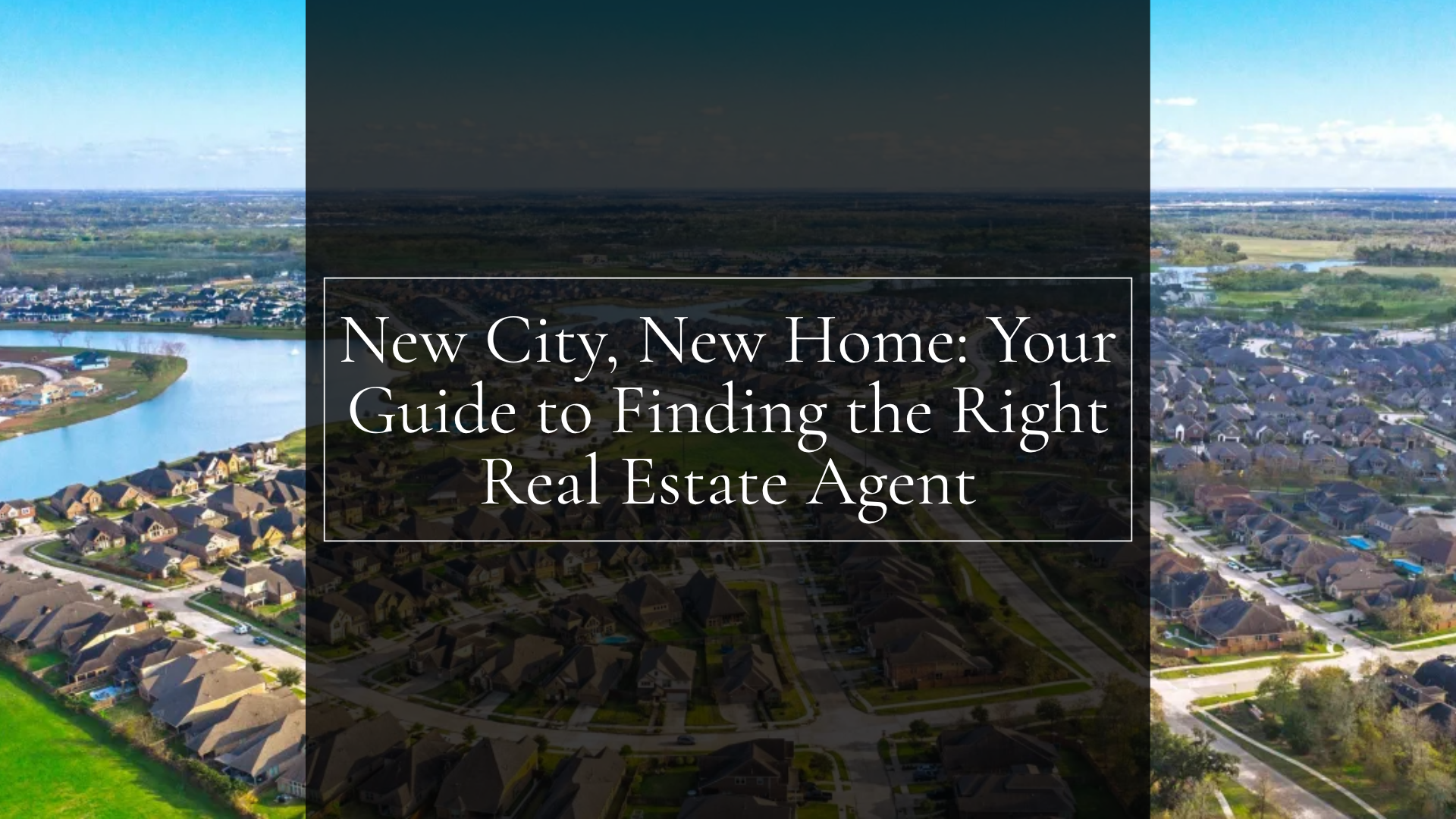
Moving to a new city? The right real estate agent can help you find more than a house. They can help you navigate an unfamiliar market, avoid costly mistakes, and find a place that truly feels like home.
Relocating to a city you've never lived in is exciting, but it can also feel overwhelming. You're not just searching for a new home. You're trying to understand unfamiliar neighborhoods, determine how far you'll be from work, research schools, compare housing costs, and figure out what everyday life will look like in a completely new environment.
And if you're moving hundreds or even thousands of miles away, you may not have the luxury of touring every home in person or exploring every neighborhood before making a decision.
That's why choosing the right real estate agent is one of the most important decisions you'll make during your relocation.
The right agent does more than open doors and send you listings. They become your local resource, your advocate, and your eyes and ears on the ground.
So, how do you find an agent you can trust in a city you've never called home?
Here are seven things to consider before choosing who will guide you through your relocation.
1. Look for an Agent Who Understands Relocation
Not every real estate transaction is the same, and working with someone who is relocating requires a different level of service.
When you're purchasing a home in a city where you already live, you may be familiar with the neighborhoods, traffic patterns, school districts, and local amenities.
When you're relocating, you're starting from scratch.
An agent who understands relocation should recognize that your questions will extend well beyond the home itself.
You may need guidance on commute times, nearby amenities, property taxes, homeowners insurance, local housing trends, and the differences between communities you're considering.
They should also understand that your availability may be limited, particularly if you're coordinating a move around a new job, school schedules, or the sale of your current home.
Questions to ask:
How often do you work with buyers relocating from another city or state?
What does your process look like for buyers who cannot visit in person?
How do you help clients narrow down their home search before they arrive?
An experienced relocation agent should be able to explain how they will make the process more manageable, even when you're not physically in the same city.
2. Find Someone Who Knows the Local Market Beyond the Listings
You can search for homes online from anywhere in the world. What you cannot always determine from a listing is whether a property or its surrounding community will meet your specific needs.
Two homes may have similar square footage, comparable prices, and beautiful finishes, yet offer completely different living experiences.
One may be located in a master-planned community with extensive amenities, while another may offer larger lots, fewer neighborhood restrictions, or a shorter commute.
A knowledgeable agent should help you understand these differences rather than simply sending you every listing within your budget.
For example, if you're relocating to the Houston area, you may be comparing communities in Katy, Sugar Land, Missouri City, Pearland, Fulshear, or The Woodlands.
Each offers different housing options, community amenities, commute considerations, and property-related expenses.
An agent with local market knowledge can help you research these differences, understand recent comparable sales, and identify communities that align with your priorities.
The goal isn't to find an agent who tells you where you should live. It's to find someone who provides the information you need to make that decision confidently.
3. Choose an Agent Who Listens Before They Search
One of the biggest mistakes you can make when relocating is starting your home search before identifying what matters most to you.
It's easy to fall in love with beautiful listing photos, but a home that looks perfect online may not accommodate your daily routine.
Before sending you properties, your agent should take the time to understand your lifestyle, priorities, and plans.
Are you relocating for a new career opportunity? Will you be working remotely? Are you looking for a community with recreational amenities? Is proximity to an airport important because you travel frequently?
Perhaps you're moving with children and need to research school options, or you're looking for a home that can accommodate visiting family members.
These details matter.
An agent who takes the time to understand your needs can help you avoid spending hours considering homes that don't align with your lifestyle.
A good agent doesn't start by asking how many bedrooms you need. They start by understanding how you want to live.
Your home search should be built around your priorities, not simply your price range.
4. Make Sure They're Comfortable Working With Buyers Remotely
If you're moving from another city or state, you may only have a weekend to visit before making your purchasing decision.
In some cases, you may need to purchase a home without seeing it in person.
That's why having an agent who can effectively work with remote buyers is essential.
Virtual tours should go beyond showing you the most attractive features of a property.
Your agent should be willing to walk you through the home in real time, show you the details that listing photos might miss, and provide an accurate representation of the property's condition.
That means showing you the actual size of the rooms, available storage, backyard space, neighboring properties, and any visible areas of concern.
If a home is located near a busy road or has an unusual floor plan, you should know that before traveling to see it.
Ask your prospective agent how they handle virtual showings, inspections, and other important steps when their clients cannot be physically present.
Technology makes purchasing a home from a distance possible, but it's the agent's attention to detail that makes the process more effective.
5. Work With an Agent Who Will Educate You About the True Cost of Homeownership
One of the most common misconceptions about relocating is assuming that the same purchase price will result in the same monthly housing expenses in every city.
That isn't necessarily the case.
Property taxes, homeowners insurance, HOA fees, and other expenses can vary significantly depending on the location and property.
For example, when purchasing a home in the Greater Houston area, you may encounter additional considerations such as municipal utility district (MUD) taxes, flood insurance, or master-planned community fees.
A home with a lower purchase price may actually have a higher total monthly payment than another property in a different community.
Before you fall in love with a home, your agent should help you understand the property's potential ongoing expenses and connect you with the appropriate professionals to verify them.
They should also help you identify important questions to investigate, including:
What are the property's current taxes, and how might they change after purchase?
Are there HOA dues, special assessments, or other community fees?
Is the property located in a designated flood zone?
What are the estimated homeowners insurance costs?
Are there any upcoming developments or community restrictions you should research?
Your lender and insurance provider can help you evaluate financing and coverage, while your agent can guide you toward the property-specific information needed to make an informed decision.
The right home isn't just one you can afford to purchase. It's one whose ongoing costs fit comfortably within your financial goals.
6. Pay Attention to Communication and Responsiveness
When you're relocating, communication is everything.
You may be juggling a demanding work schedule, coordinating movers, preparing your current home for sale, or managing a family transition.
You need an agent who understands that your time is valuable and who will communicate with you consistently throughout the process.
Before committing to an agent, pay attention to how they communicate during your initial conversations.
Do they respond to your questions in a timely manner? Do they explain the purchasing process clearly? Are they proactive about sharing information, or do you constantly have to follow up?
Ask how frequently you can expect updates, their preferred communication methods, and who will assist you if they are unavailable.
If you're relocating across time zones, discuss how you'll coordinate virtual tours, phone calls, and important contract deadlines.
An agent should make you feel informed throughout the transaction, even when you're miles away.
7. Choose Someone Who Makes You Feel Comfortable Asking Questions
Buying a home in an unfamiliar city comes with a learning curve.
You may not know which questions to ask, what certain real estate terms mean, or how the local purchasing process differs from your previous experience.
That's completely normal.
You should feel comfortable asking your agent questions, expressing concerns, and requesting additional information before making a decision.
A trustworthy agent should welcome those conversations rather than making you feel pressured to move forward.
They should be willing to discuss both the benefits and potential drawbacks of a property, explain your options, and provide realistic guidance about the market.
Remember, you're making a significant financial decision in a place you may know very little about.
You deserve an agent who respects that responsibility and gives you the information you need to move forward at your own pace.
Before You Choose an Agent, Schedule a Relocation Consultation
Finding an agent online is easy. Determining whether they're the right fit for your relocation takes a little more effort.
Before making your decision, schedule a phone call or video consultation with a few prospective agents.
Use that conversation to discuss your relocation timeline, budget, preferred communities, and any concerns you have about moving to an unfamiliar city.
You can also ask for references from previous relocation clients, review their recent transactions, and verify their real estate license through the applicable state licensing authority.
Most importantly, pay attention to whether the conversation feels like a personalized consultation or simply a sales pitch.
You should leave that first meeting with a clearer understanding of the local market, the homebuying process, and how the agent plans to support you throughout your move.
The right fit is about more than experience. It's about finding a professional whose knowledge, communication style, and approach align with your needs.
Relocating to Houston? Let's Make Your Next Move Feel Like Home.
Relocating to a new city is a big decision, and finding the right home is only one part of the journey.
Whether you're moving to Houston for a career opportunity, a fresh start, or to be closer to family, having someone who understands the local market can make the transition much easier.
At The Alicia Jammer Group, we believe real estate is about more than buying and selling homes. It's about understanding your goals, educating you throughout the process, and helping you make informed decisions about your next chapter.
From exploring Houston-area communities and narrowing down your home search to coordinating virtual tours and navigating the purchasing process, our goal is to make sure you feel supported every step of the way.
You don't have to know everything about Houston before you arrive. That's where having the right local real estate team makes a difference.
Thinking about relocating to Houston?
Let's schedule a relocation consultation to discuss your timeline, explore your options, and create a home search strategy that fits your lifestyle.
Your next chapter deserves more than just a new address. It deserves a place you can truly call home.
Check out this article next